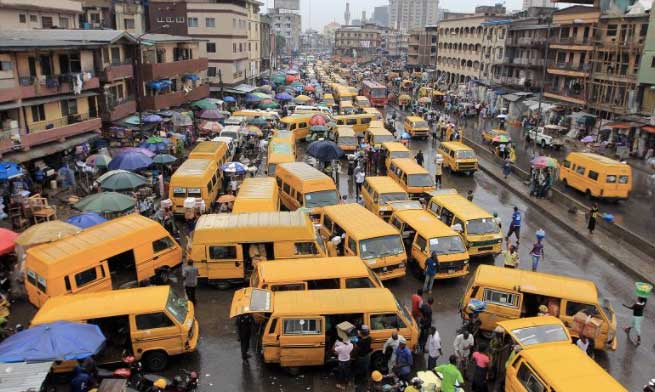
There are things Nigerians complain about every day, laugh about online and then… move on from. Over time, these issues stop shocking us. They become “normal.” But let’s be honest some of these things are not okay and they shouldn’t be part of everyday life.
What makes it more striking is that when similar issues happen in other countries, citizens react very differently.
Here are six Nigerian problems we’ve sadly normalised, even though we really shouldn’t have.
1. Constant Power Outages
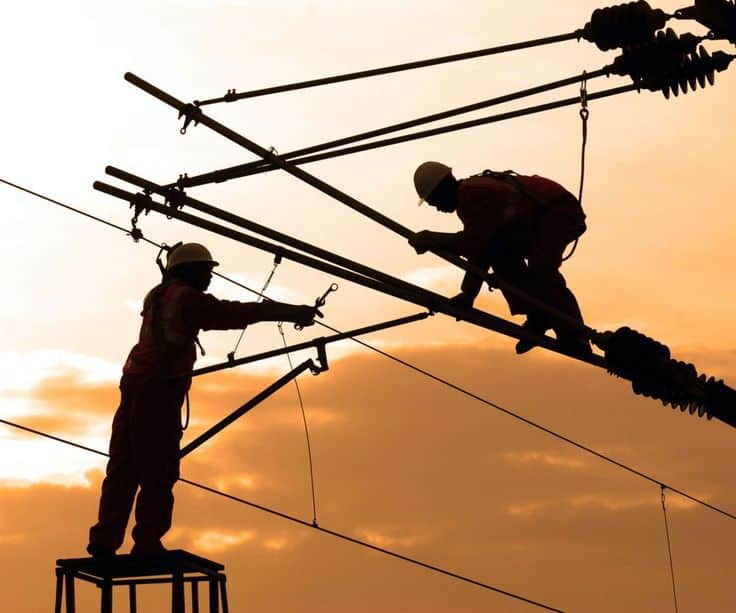
“NEPA has taken light” has become a national greeting. We plan our lives around generators, inverters, candles and power banks like it’s completely normal.
In countries like South Africa, where power cuts (load shedding) also exist, citizens consistently protest, sue power companies and pressure government officials. Load-shedding schedules are publicly released, tracked and debated daily in the media.
In Germany or Japan, nationwide power outages are rare and when they happen, governments issue public apologies and urgent explanations. Electricity is treated as a basic right, not a privilege.
Here, we simply say, “At least it came back.”
2. Inflation That Keeps Outrunning Salaries
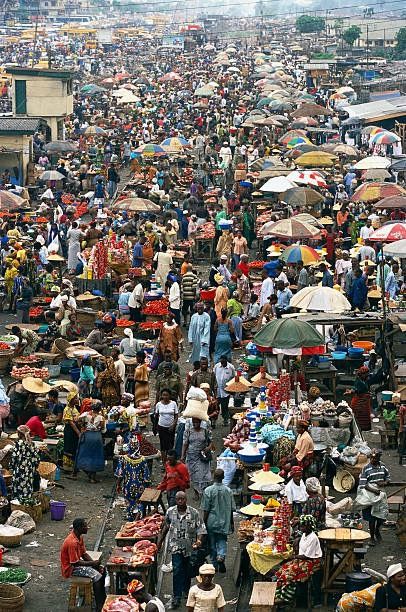
Prices rise almost weekly but salaries remain stuck not to exclude the recent tax development while mini wage reamins the same. Transport fares change overnight, food prices jump without warning and we’re expected to “adjust.”
In the United States and UK, rising inflation has led to nationwide strikes by teachers, healthcare workers, and transport staff demanding wage increases.
In Nigeria, inflation rises and citizens are told to “tighten their belts” with little pushback or policy relief or pray as religious people would have it.
3. Bad Roads and ‘Manageable’ Infrastructure
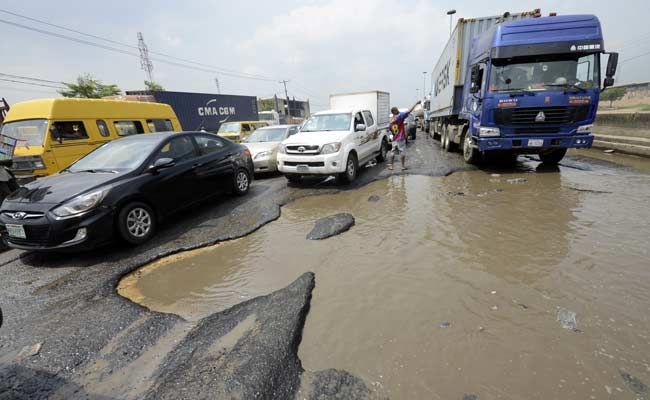
From potholes that feel like craters to roads that disappear during rainy season, we’ve learned to endure it all. We even memorize the “good parts” of bad roads. 80% of the road accident that are being recorded are as a result of bad infrastructure and no one is holding the government accountable.
4. Long Queues for Everything

Fuel stations. Banks. Polling boot. Government offices. Even hospitals. Standing in endless queues has become part of the Nigerian experience.
In countries like Estonia and Singapore, most government services are handled digitally, drastically reducing physical queues.
Here, we arrive early, wait endlessly and feel grateful if the process works at all.
5. Casual Disrespect for Time

Events scheduled for 10 a.m. starting at 1 p.m. Flights delayed without explanation. Meetings that never begin on time.
In Nigeria, lateness is excused as “African time”, even though it costs productivity, money and mental energy.
6. Surviving Instead of Living
Many Nigerians are no longer planning for joy or growth, just survival. Dreams are postponed indefinitely.
In countries facing hardship like Greece during its economic crisis, citizens still organized mass movements demanding reform, transparency and social protections.
In Nigeria, survival mode has become so normal that simply coping is praised as success.
Final Thought
Nigerians are incredibly resilient but resilience should not be mistaken for acceptance. Other countries experience problems too but the difference lies in how citizens react and what they refuse to normalize.
Endurance alone doesn’t fix broken systems. Sometimes, change begins when people collectively decide that this is no longer acceptable.