When Nigerians talk about energy, it is rarely abstract. It shows up in fuel costs, generator noise, business expenses, and whether electricity stays on long enough to get work done.
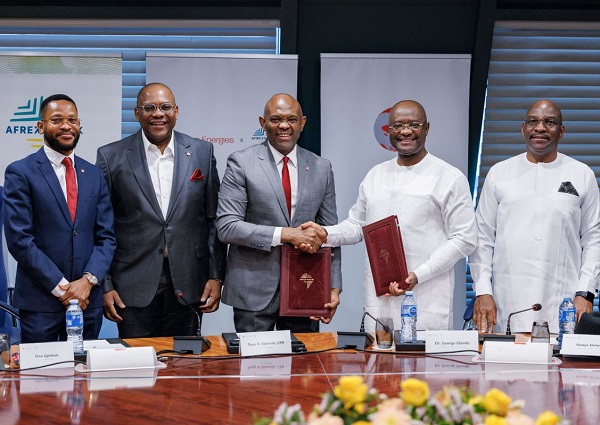
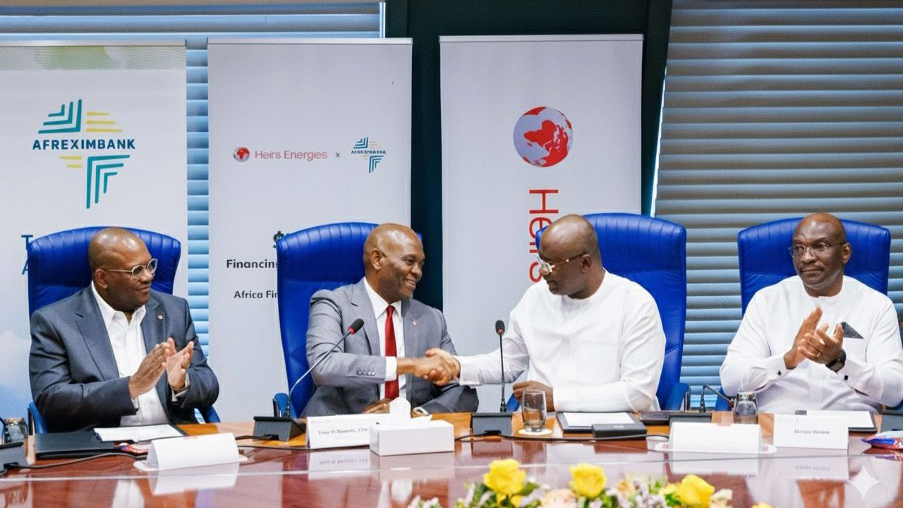
So when Heirs Energies announced a $750 million financing milestone backed by Afreximbank, the reaction was different. This was not just about a company raising money. It was about what consistent investment, local execution, and long-term planning can actually deliver.
For many Nigerians, it represents something rare: steady progress in a sector that affects almost everything else.
Here is why this deal matters.
A Partnership That Did Not Start Yesterday
One of the reasons this announcement feels credible is history.
Afreximbank has been involved with Heirs Energies from the beginning. The bank supported the acquisition of OML 17, worked through restructuring during regulatory changes, and stayed involved during the difficult early stages of stabilising the asset.
This latest funding is not rescue capital. It is a growth capital. It signals a shift from fixing inherited problems to scaling production and expanding impact.
What Has Changed at OML 17
Since taking over OML 17, Heirs Energies has focused on upgrades, infrastructure improvements, maintenance, and rebuilding relationships with host communities.
The results are measurable.
Oil production has increased from about 25,000 barrels per day to 50,000 barrels per day. Gas production has also grown from roughly 50 million to 120 million standard cubic feet per day.
These gains did not come easily. Long-standing challenges such as theft, ageing facilities, and community tensions had to be confronted directly. Progress came from steady operational discipline rather than quick fixes.
Why Gas Production Matters More Than Many People Realise
While oil numbers often get the headlines, gas production is where many Nigerians feel the impact most directly.
Heirs Energies is currently the largest gas supplier to Nigeria’s eastern corridor. This includes Aba, a city known for its concentration of small and medium-scale manufacturers.
For residents and business owners in Aba, improved gas supply translates into more reliable electricity. Less downtime. Lower dependence on generators. More predictable operating costs.
For many, this is the clearest example of how upstream investment connects to everyday life.
What the $750 Million Milestone Enables
The new financing strengthens Heirs Energies’ balance sheet and allows capital to be reallocated more efficiently. This gives the company flexibility to increase production, optimise existing reserves, and invest further in infrastructure.
Importantly, this funding comes at a time when global investors are becoming more cautious about energy investments, especially in emerging markets. Afreximbank’s continued backing sends a different signal.
It suggests confidence in well-managed local assets and in African institutions supporting African companies for the long term.
Why Nigerians Care About Local Ownership
There is a growing awareness in Nigeria that ownership matters.
Seeing an indigenous energy company reach this scale with the support of an African development bank challenges the idea that large, complex assets must always be controlled externally.
For many Nigerians, this deal represents competence, not sentiment. It shows that with the right governance and financing, local companies can operate strategically important assets and deliver results.
The Broader Economic Implications
Investment in energy rarely affects just one sector.
Increased gas supply supports manufacturing. Stable electricity improves productivity. Stronger local companies contribute to job creation across technical, operational, and service roles.
While these benefits are not always immediate or evenly distributed, the foundation matters. Infrastructure progress tends to compound over time.
A Measured Win, Not a Victory Lap.
What stands out most about the Afreximbank and Heirs Energies deal is its tone.
There are no sweeping promises or exaggerated claims. The focus is on what has been done, what is now possible, and what still needs work.
In a country where Nigerians have learned to be cautious, that restraint builds trust.
This $750 million milestone is not a finish line. It is a marker of what steady execution can achieve in Nigeria’s energy sector, and a signal of what may be possible when local capacity is taken seriously.
For anyone who relies on electricity, runs a business, or cares about Nigeria’s long-term economic stability, this is a story worth watching.