Power in Africa is shaped not only by wealth, but by influence across politics, industry, culture, and national development. Over decades and in some cases centuries, certain families have built enduring legacies that continue to shape their countries and the continent at large.
Here are 10 of the most powerful families in Africa, based on documented economic strength, political reach, institutional control, and long-term impact.
1. The Dantata–Dangote Family (Nigeria)
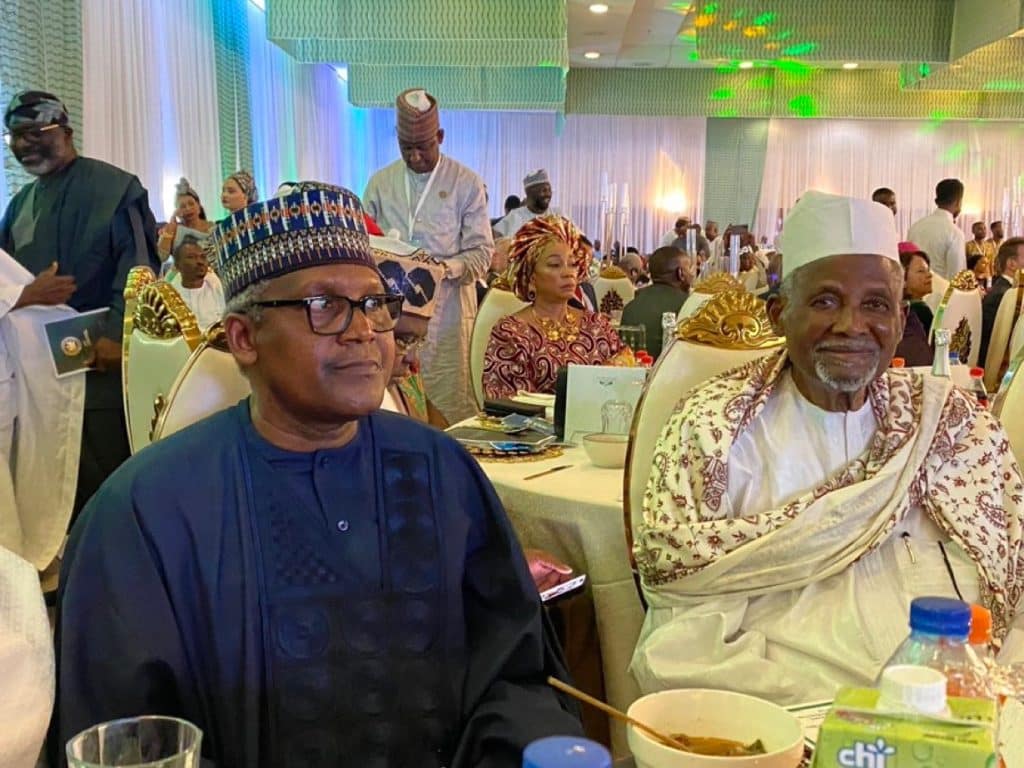
The Dantata–Dangote family is widely regarded as Africa’s most powerful business dynasty.
The family’s influence began with Alhassan Dantata, one of West Africa’s wealthiest merchants in the early 20th century, whose trading empire laid the foundation for future generations. His grand-nephew, Aliko Dangote, transformed that legacy into a modern industrial empire.
Today, Dangote Group dominates key sectors including cement, sugar, flour, salt, and energy. The Dangote Cement brand operates across multiple African countries, while the Dangote Refinery, one of the world’s largest single-train refineries, represents a strategic shift in Nigeria’s energy independence.
Aliko Dangote has consistently ranked as Africa’s richest individual by Forbes, and the family’s influence extends into policy discussions, industrial strategy, and continental trade through the African Continental Free Trade Area (AfCFTA).
2. The Motsepe Family (South Africa)

The Motsepe family’s power is rooted in mining, finance, sports, and continental influence.
Patrice Motsepe, founder of African Rainbow Minerals (ARM), became South Africa’s first Black billionaire through mining interests in gold, platinum, and iron ore. The family also holds significant stakes in financial services through African Rainbow Capital.
Beyond business, Motsepe’s election as President of the Confederation of African Football (CAF) elevated the family’s influence beyond South Africa, giving them a central role in African sports governance.
The Motsepe family is also known for structured philanthropy, including large-scale donations to education and health initiatives.
3. The Alaouite Dynasty (Morocco)
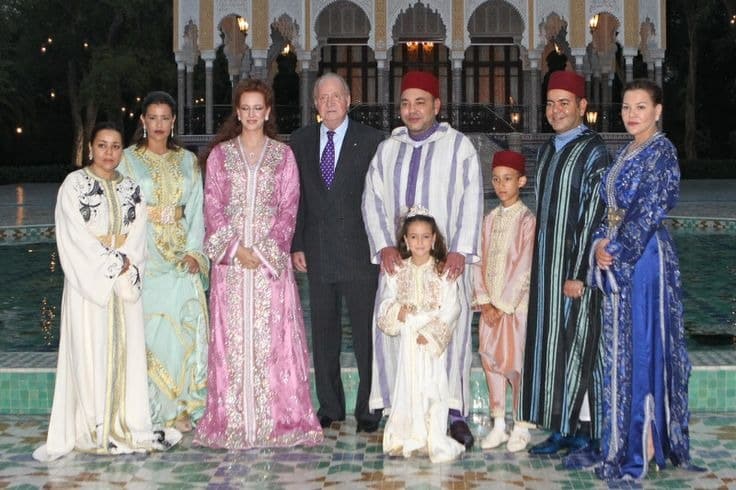
The Alaouite Dynasty is one of Africa’s oldest and most entrenched ruling families, having governed Morocco since the 17th century.
The current monarch, King Mohammed VI, is both head of state and a central economic figure. The royal family controls major stakes in banking, telecommunications, mining, agriculture, and real estate through investment vehicles linked to the palace.
The Moroccan monarchy plays a decisive role in national policy, foreign relations, and economic strategy, making the Alaouite family one of the most institutionally powerful families on the continent.
4. The Adeleke Family (Nigeria)
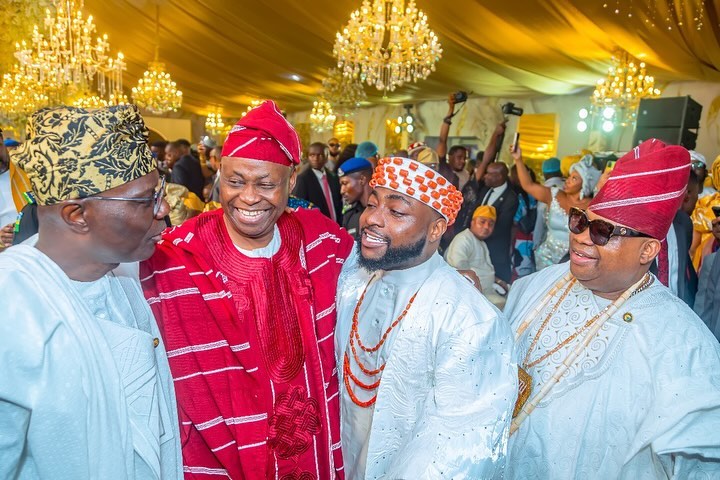
The Adeleke family represents a blend of business wealth, political power, and cultural influence.
The family’s fortune originated from the late Adedeji Adeleke, a prominent Nigerian industrialist and education investor. His business interests spanned real estate, academia, and infrastructure.
In politics, Ademola Adeleke, the current Governor of Osun State, has entrenched the family’s influence within Nigeria’s democratic landscape. Culturally, global music star Davido (David Adeleke) has extended the family’s visibility and soft power far beyond Nigeria.
This combination of governance, wealth, and cultural capital makes the Adeleke family uniquely influential.
5. The Rupert Family (South Africa)

The Rupert family is one of South Africa’s most enduring corporate dynasties.
Founded by Anton Rupert, the family built a multinational empire spanning luxury goods, finance, and investment holdings. Through companies like Remgro and Richemont, the family controls brands such as Cartier, Montblanc, and Van Cleef & Arpels.
The Ruperts wield influence across European and African boardrooms, with deep ties to South Africa’s corporate governance structures.
6. The Sawiris Family (Egypt)
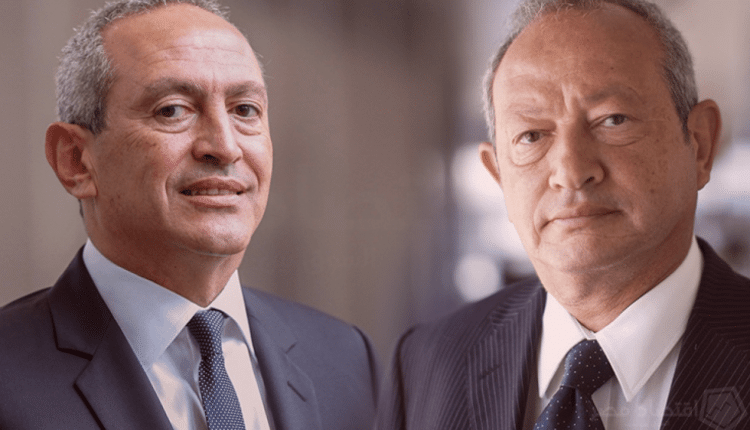
The Sawiris family is Egypt’s most prominent business family, with influence across telecommunications, construction, tourism, and finance.
Through the Orascom Group, the family built multinational businesses operating in Africa, the Middle East, Europe, and Asia. Family members such as Naguib and Nassef Sawiris are regularly listed among the world’s billionaires.
The family is also politically influential, often involved in economic policy discussions within Egypt and abroad.
7. The Kenyatta Family (Kenya)
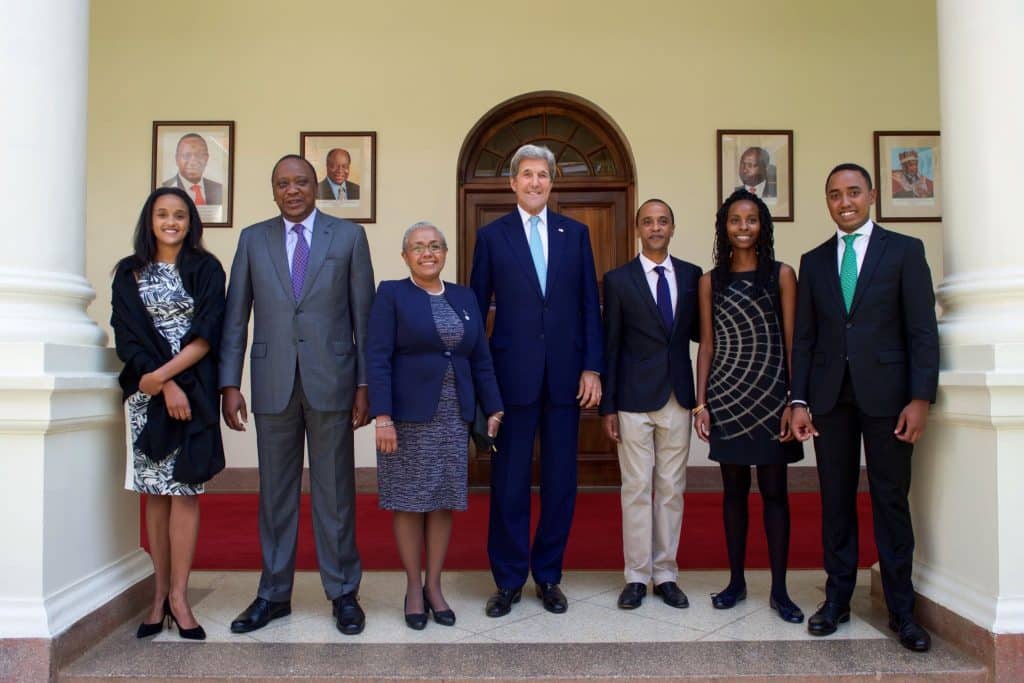
The Kenyatta family’s power is rooted in politics, land ownership, and business.
Founded by Jomo Kenyatta, Kenya’s first president, the family has remained influential for generations. Former President Uhuru Kenyatta reinforced this legacy through two presidential terms.
The family holds interests in banking, hospitality, agriculture, and media, making them one of East Africa’s most powerful dynasties.
8. The Oppenheimer Family (South Africa)

The Oppenheimer family has played a central role in shaping global mining and African industrial history.
Long associated with De Beers, the family was instrumental in building the global diamond industry. Though they have since reduced direct involvement, their investment firm Tana Africa Capital continues to deploy capital across the continent.
The Oppenheimers’ influence extends into philanthropy, conservation, and policy advocacy.
9. The Mansour Family (Egypt)
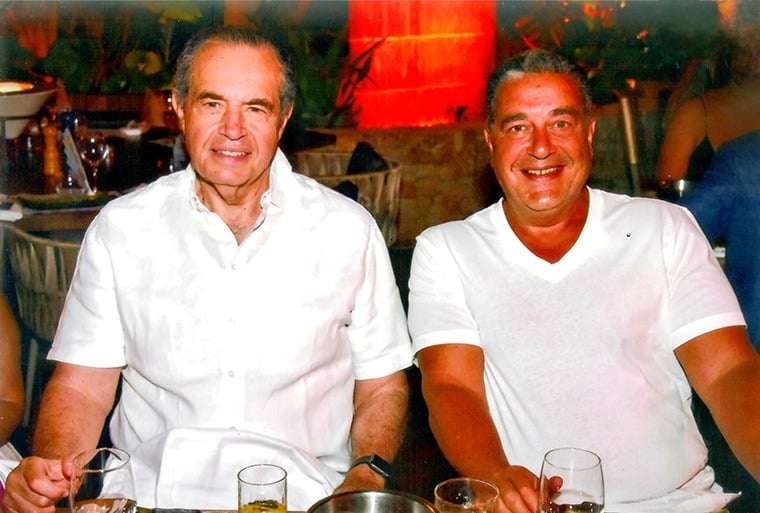
The Mansour family controls one of Africa’s largest private conglomerates.
Mansour Group operates across automotive distribution, consumer goods, retail, and logistics, representing global brands such as General Motors and McDonald’s across Africa and the Middle East.
Family members have also held senior government positions, blending private enterprise with public service.
10. The Masiyiwa Family (Zimbabwe)

The Masiyiwa family represents the power of technology and entrepreneurship in modern Africa.
Strive Masiyiwa, founder of Econet Wireless, revolutionised telecommunications in multiple African countries. Beyond business, the family is deeply involved in education, health, and digital inclusion initiatives through structured philanthropy.
Masiyiwa also plays advisory roles on global technology and development platforms.
Wrapping Up,
Africa’s most powerful families are not defined by wealth alone. Their influence spans industry, governance, culture, infrastructure, and continental development. While some draw power from centuries-old monarchies, others represent modern entrepreneurial success stories shaping Africa’s future.
Together, these families continue to shape economic policy, business ecosystems, and cultural narratives across the continent.