
On 7 December 2025, Benin Republic experienced a dramatic security crisis as a faction of soldiers attempted to overthrow President Patrice Talon. The incident marks the first actual coup attempt since the country transitioned to multiparty democracy in 1991, underscoring lingering challenges within the military and governance structures.

The 2025 Coup Attempt
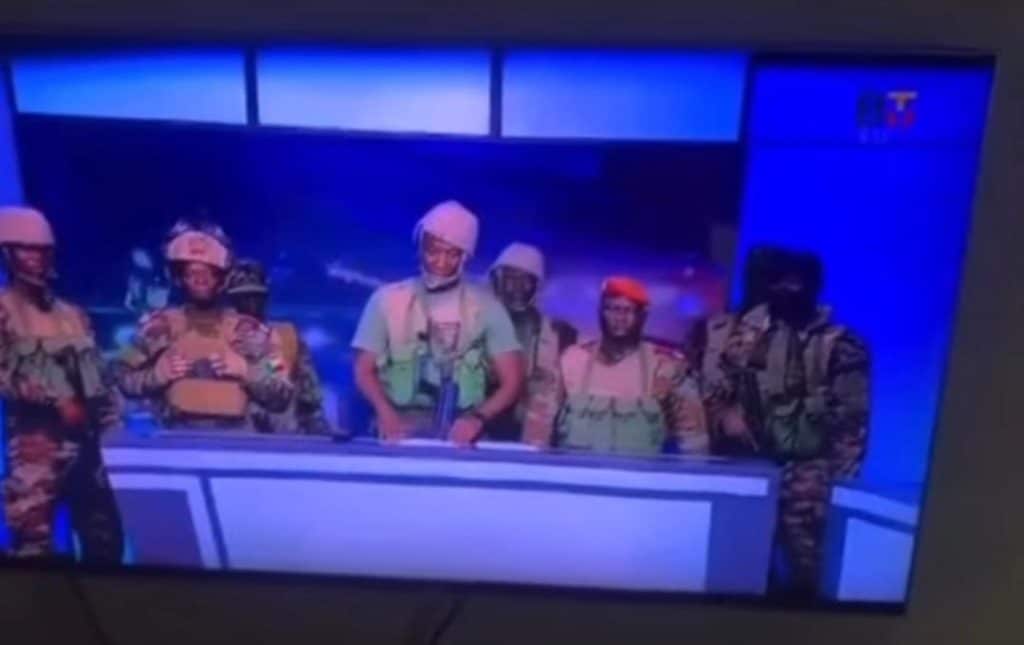
In the early hours of 7 December, a group of soldiers seized key government installations, including the national broadcaster in Cotonou and announced on air that they had taken control of the government. The group identified themselves as the Military Committee for Refoundation (CMR), led by Lieutenant-Colonel Pascal Tigri. They cited grievances such as:
- Deteriorating national security, particularly in northern Benin
- Neglect of soldiers and their families
- Cuts to healthcare and social services
- Political restrictions and alleged favoritism within the armed forces
The coup plotters declared the suspension of the constitution and all state institutions.
The coup attempt was driven by growing frustration within the military over unpaid salaries, poor working conditions and a perception that the government neglected security and the welfare of soldiers’ families. Citizens’ celebrations in parts of Cotonou reflected broader public dissatisfaction with President Talon’s administration, including economic struggles, regional inequalities and unpopular policies; for some, the coup represented a chance for change or an end to perceived mismanagement.
How the Coup Was Foiled
The attempt was quickly suppressed by loyalist forces of the regular army. Within hours, the government regained control and order was restored in Cotonou. Reports indicate that about a dozen soldiers involved in the plot were arrested, including active and former military personnel.
Benin’s Interior Minister, Alassane Seidou, confirmed the foiling of the coup and reassured citizens that the government had regained full control.
Historical Context: The First Unsuccessful Attempt
This 2025 incident is not the first time President Talon faced an internal military threat. Earlier in the year, a judicial crackdown targeted two of his close associates, Olivier Boko and Oswald Homeky, who were arrested for allegedly plotting a coup. This effort, however, did not escalate into an armed takeover; the arrests were a preventive judicial action.
Regional Involvement: Nigeria’s Response
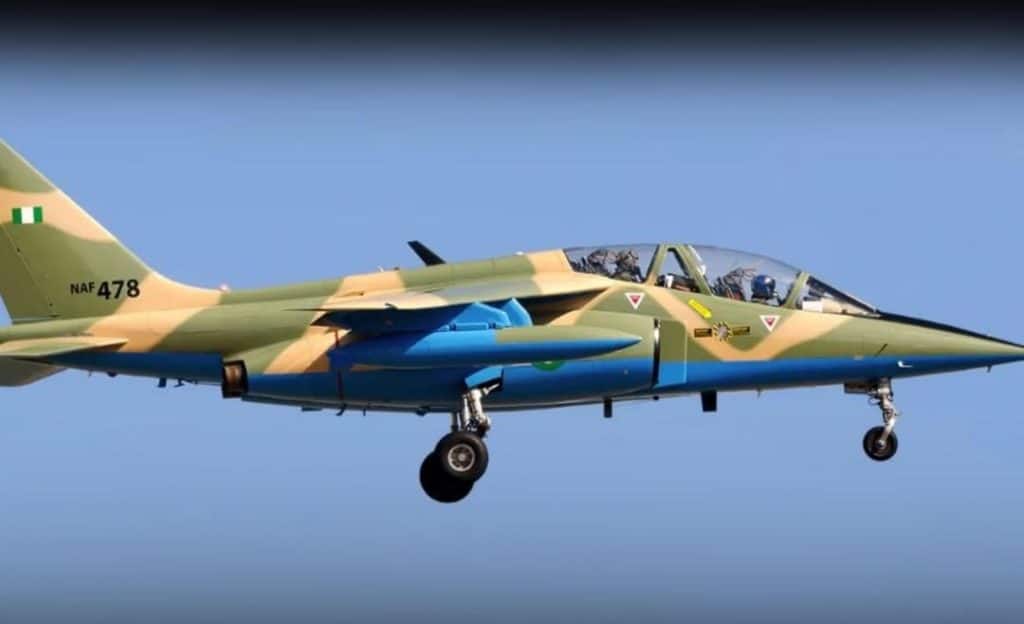
Nigeria, despite facing its own security challenges, responded to the situation by offering support to Benin. ECOWAS, led in part by Nigeria, deployed standby forces and coordinated with Benin to help restore constitutional order. This swift regional response demonstrates the importance of collaboration in preserving stability, even when neighboring countries are dealing with internal issues of their own. This made the citizens more angry at the situations the government have chosen to address.
Implications for Benin and West Africa
The coup attempt underscores the fragility of political stability in West Africa.
Key takeaways include:
- Regional dynamics: West African countries remain interconnected; instability in one nation can quickly affect others.
- Military grievances matter: Lack of adequate support and recognition for security personnel can fuel unrest.
- Institutional resilience is critical: The ability of loyal forces to quickly restore order prevented the crisis from escalating.
Although the coup was foiled, the incident highlights that Benin, long considered a stable democracy, is not immune to the challenges facing the region, including military dissatisfaction and political tension.
Conclusion
The attempted coup in Benin on 7 December 2025 , though quickly foiled is a stark reminder of the perils facing democracies in West Africa today. Even stable-looking nations are vulnerable to sudden disruptions, especially when power transitions are looming. For citizens, the swift action to restore order is a relief; but for democracy and stability in the region, the event marks a cautionary signal. The next days will be decisive: how authorities handle the aftermath and whether institutions remain robust.